How to Use Video Effectively at a Trade Show (Without Breaking Your Brand)
Trade shows create dozens—sometimes hundreds—of brand touchpoints in just a few days.
Sales emails. Booth conversations. Social posts. Follow-ups. Internal recaps.
Video amplifies all of them. But without consistency, it can also fragment your brand faster than any other medium.
The teams that win at events don’t just “use video.” They systemize brand-consistent video before, during, and after the show.
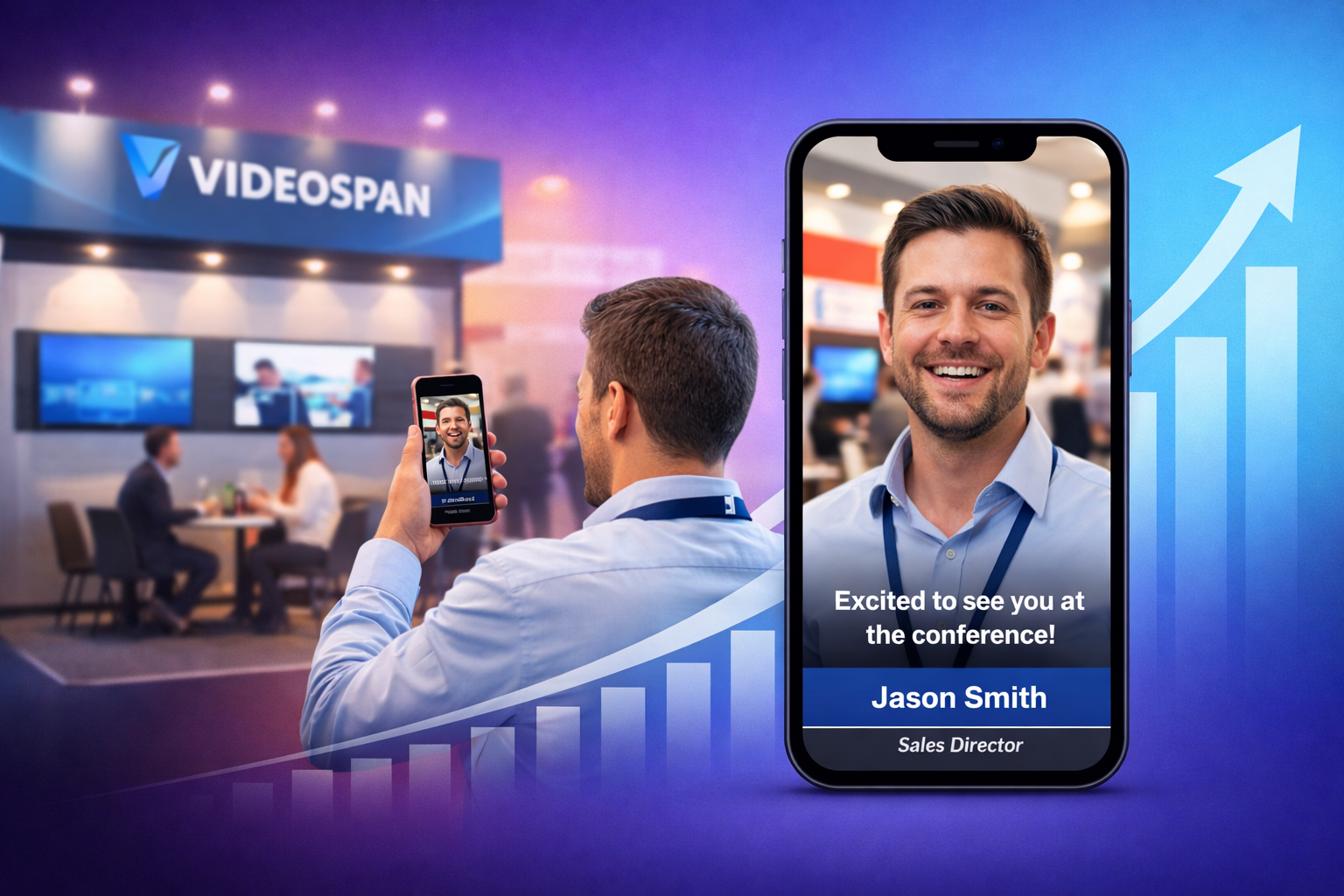
Stage 1: Before the Show — Introduce the Brand and the People
Pre-event outreach is often the first impression prospects get of your presence at a show.
That makes brand consistency critical.
Have Sales Reps Record Short, On-Brand Video Messages
Before the event, enable sales reps to record short videos to prospects and customers using:
- approved visual framing
- consistent lower thirds
- standardized messaging prompts
- branded backgrounds or templates
These videos should feel human—but unmistakably on brand.
Example prompts:
- “Hey [Name], I’ll be at [Event] representing [Brand].”
- “We’re excited to share how [Brand] is helping teams solve [Problem].”
When every rep records from the same system, you avoid:
- off-brand visuals
- inconsistent tone
- uneven quality
Distribute Through Consistent Channels
Share these videos via:
- email outreach
- conference apps (direct messages)
- LinkedIn messages
The goal isn’t just recognition—it’s brand familiarity.
By the time prospects arrive, they recognize both:
- the person
- the brand they represent
Stage 2: During the Show — Capture Real Voices Without Losing Control
Trade show floors are chaotic. Brand consistency shouldn’t be.
Collect Customer Testimonials Using Branded Prompts
Testimonials carry more weight when they feel authentic—but authenticity doesn’t mean unstructured.
Use consistent prompts and visual framing:
- same intro
- same framing
- same caption style
Example prompts:
- “What challenge were you trying to solve before working with us?”
- “How has [Brand] helped your team so far?”
The result:
- real customer voices
- consistent storytelling
- reusable content that fits everywhere
Capture Attendee Pain Points With a Brand Lens
Short attendee responses are powerful—when framed correctly.
Use on-brand prompts like:
- “What’s the biggest challenge teams are facing right now?”
- “What’s one problem [Brand] is uniquely positioned to solve?”
These clips:
- give reps context for follow up
- give reps context for follow up
- inform product and marketing
- reinforce your positioning—not just activity
Enable Your Team to Create Consistent Social Content
Encourage team members to capture:
- booth updates
- session insights
- quick reflections
But do it through a standardized system:
- same aspect ratios
- same captions
- same overlays
This ensures every post—no matter who creates it—looks like it came from one brand.
Posting in real time expands your reach far beyond the show floor, without fragmenting your identity.
Stage 3: After the Show — Follow Up With Memory and Consistency
Post-event follow-ups are where most teams drop the ball.
Generic emails forget the context. Video brings it back—visually.
Send Branded Video Follow-Ups
Have reps record short follow-up videos:
- referencing the conversation
- mentioning the show
- ideally with the booth visible in the background
Because the video format is standardized:
- messaging stays consistent
- visuals reinforce brand recall
- every follow-up feels intentional
Capture Team Takeaways for Internal Alignment
Ask team members to record:
- key themes they heard
- questions that came up repeatedly
- insights worth sharing internally
Using the same system ensures internal content is:
- just as brand-safe as external content
- easy to review, remix, and share
Create Recap Videos That Extend the Brand Story
From the content collected, create:
- an internal recap for leadership
- a public highlight reel for social
These videos reinforce:
- what the brand stands for
- what the market cares about
- why the event mattered
The Difference Between Activity and Impact
Trade shows don’t fail because teams don’t create content.
They fail because content isn’t connected—or consistent.
Video works at events when:
- brand standards are enforced
- technical formats are predictable
- every touchpoint feels intentional
When video is treated as a system, not a one-off, trade shows stop being moments and start becoming multipliers.
Read more
How to Use Video Effectively at a Trade Show (Without Breaking Your Brand)
A practical guide to using video before, during, and after a trade show—while maintaining brand consistency across every touchpoint.

Empowering Global Teams: How Videospan Ensures Brand-Compliant Video at Scale
How Videospan helps distributed teams create consistent, brand-aligned video content—anywhere in the world.
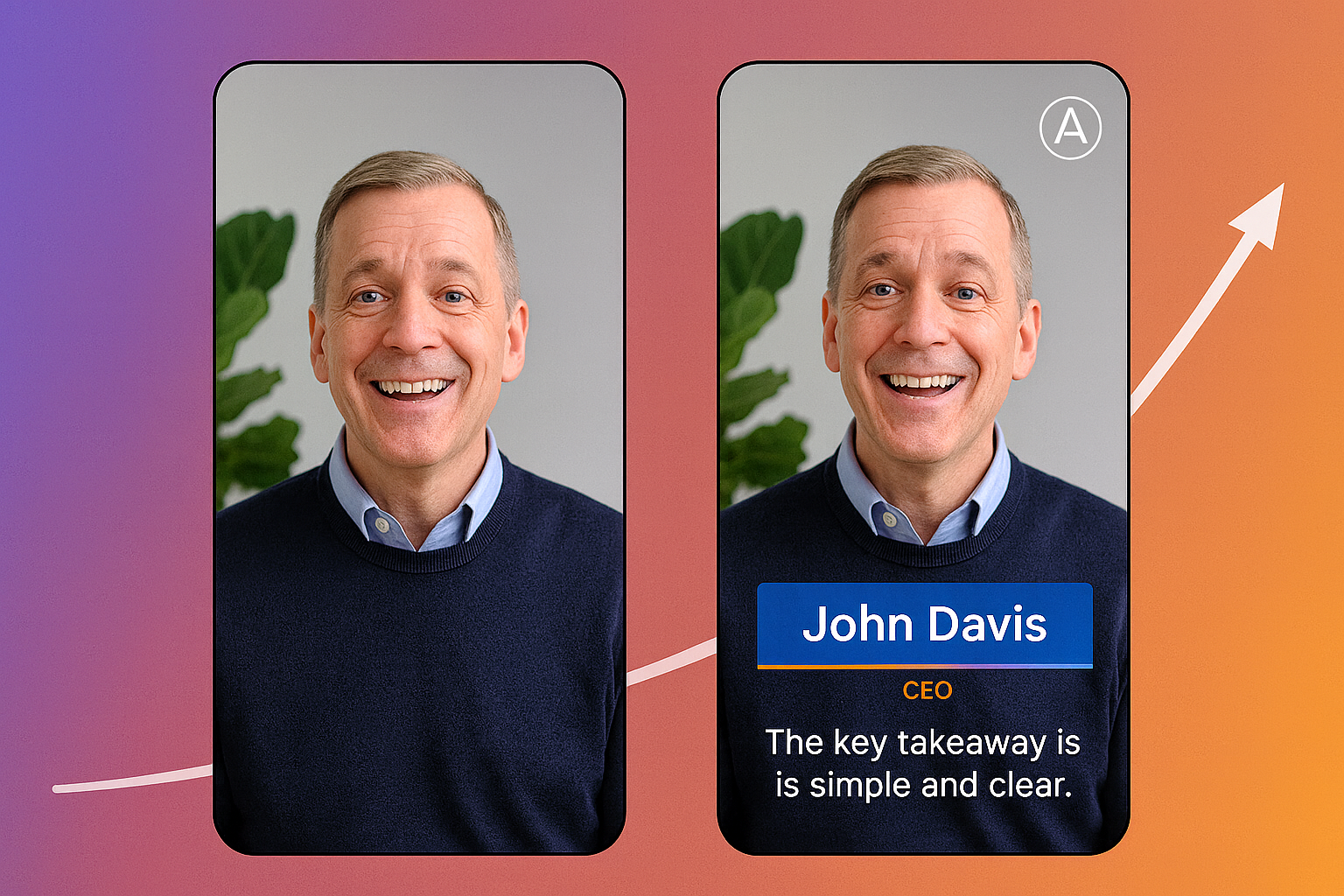
What Are Brand Standards for Video? And Why They Matter More Than Ever
A practical guide to understanding video brand standards—what they are, why they matter, and how organizations can apply them consistently at scale.